
Biodiversity and Neurodiversity:
A Powerful Parallel
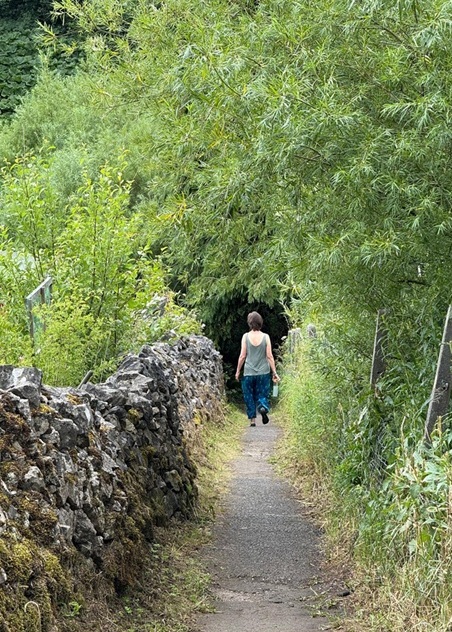
Introducing Jax
I am Jax, the unlikely co-chair of Action For Hogshaw, formerly known as Friends of Hogshaw. I moved to Hogshaw almost 20 years ago and as such it is the place I have settled the longest, having previously moved around the country regularly. It is the place I have found community and a sense of belonging and purpose.
I am autistic and value green space as a constant source of regulation in my life. When Hogshaw was threatened with development I felt a keen sense of grief, anger and injustice, sufficient enough to galvanise my campaigning spirit. So from 2018 onwards I have been a key figure in the campaign to save Hogshaw. Public speaking is not my thing, networking is not my thing, being front and centre is not my thing, having the energy to put into things can be a real challenge – but nature is my thing. So somehow, I found myself as Co-Chair of the campaign and I continue to show up and fight for this special place. The people I have met and friends I have made give me a sense of belonging with both people and place.
Introducing Hogshaw
Hogshaw, Buxton’s old town tip, may appear to be a scruffy, unmanaged patch of green on the edge of town, with little value to people – other than the potential to build more homes to house them.
The very fact it is unmanaged and wild, means it has unique qualities that can be of real benefit to neurodivergent people. It can act as a refuge, a quieter space in the hubbub and noise of the town; a break from the often complicated, confusing, and disturbing built environment. As a neurodivergent person, the world can be intensely over-stimulating and exhausting. A managed and built-up environment with all of the implicit social expectations can easily lead to sensory overwhelm and burn out. In this context nature is not a luxury. It can be a necessary source of support.
Natures calming balm for the nervous system
Natural spaces can offer sensory input that gently holds attention without demanding it. The sound of birdsong, the movement of leaves, the changing light with the seasons, all provide a sensory richness, without the overwhelm.
The openness and accessibility of Hogshaw can provide a space to simply be, without the need to mask or perform or adapt. This kind of environment is a resource to allow the nervous system to settle; the breath to deepen; the body to soften and the mind to be able to think with more ease or clarity.
The benefits natural environments have on mental health and wellbeing are well documented. We understand very well now, that time in green spaces is associated with reduced anxiety and depression, improved mood and resilience, better attention and reduced mental fatigue.
Accessibility
Hogshaw’s proximity to people’s homes provides an opportunity for regular visits to a familiar green space. Regular access to nature can have a positive, cumulative effect on wellbeing.
Hogshaw Nature Reserve is a uniquely supportive resource, as its location is close enough to visit regularly – even when you may be in burn out and unable to invest huge energy in getting to a wild natural space that would necessitate more planning, travel etc. So if current executive functioning is low – having a green space on the doorstep can be a life changer to help you find a sense of regulation again.
We have to value and protect these green and wild spaces in communities, even as the pressures on land increase. Accessible nature supports mental health, inclusion and wellbeing across the community and offers particular benefits to those of us who are often underserved by conventional public spaces.
Inclusivity
A key strength of a place like Hogshaw is that it is inherently flexible. Unlike managed parks, it provides an open invitation to engage in any way you choose. There is no “right way” and this freedom is crucial for inclusion. Many parks inevitably have unspoken rules, expectations, and sensory challenges.
In contrast, Hogshaw allows for self-directed engagement, without instruction or explanation. It’s a place you can feel welcome and move through on your own terms. A slow, quiet walk; sitting and watching the wildlife; exploring the textures and details of the plants; taking photographs or making sketches; participating in a community event in a familiar place.
Connection
Hogshaw allows for solitude, whilst it also allows for low-pressure social connection. We are all social beings and all thrive when we can make real connections with others. It is essential for our nervous systems to connect and co-regulate with others. This can be more challenging if you are neurodivergent.
Social connections based on a shared interest can be more accessible for neurodivergent people. So guided walks, conservation work, nature surveys can all foster a sense of community without the necessity of traditional social settings. Activities with a shared focus, clear purpose, and space for interaction to happen naturally can all be beneficial and welcomed.
I personally find it easier to walk around Hogshaw talking with another person than I would ever feel in a social situation like a café. Conversation in nature does not need to be constant; quiet moments feel natural and appreciated. There is always something new in nature to notice and comment on, unlike conventional social settings where the focus can feel very intensely directed on the individuals involved and keeping the conversation flowing; Exhausting and dysregulating to many neurodivergent people. Green spaces embedded in communities are an essential resource for many people.
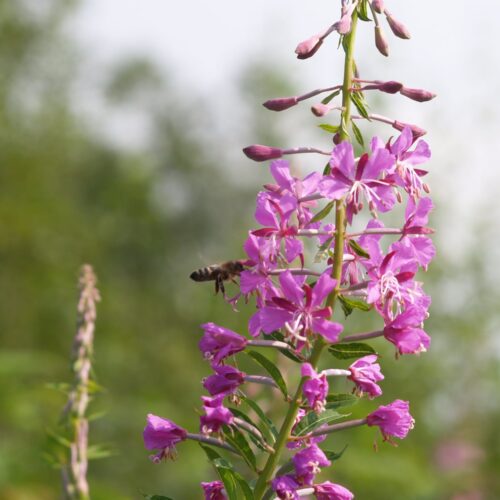
Biodiversity and Neurodiversity
A powerful parallel. Healthy ecosystems rely on a wide range of species. Healthy communities depend also on a diversity of minds and ways of being.
Biodiverse places like Hogshaw support complexity, adaptability, and balance in the natural world. When environments are simplified, over-managed or homogenised, both ecological and human diversity suffer.
Protecting biodiverse green spaces is therefore an act of social inclusion. It recognises that difference is not something to be managed away, but something to be valued and supported. Safeguarding Hogshaw would be an investment in the health and well-being of the whole community.
Hogshaw provides me personally with a sense of relief, of space, of grounding in an otherwise over cluttered and complicated world. Spending a lot of my life adapting to environments that are not designed with me in mind, means access to a space like Hogshaw is actually quietly profound.