
Nunsbrook restored
Healing the path to the Wye
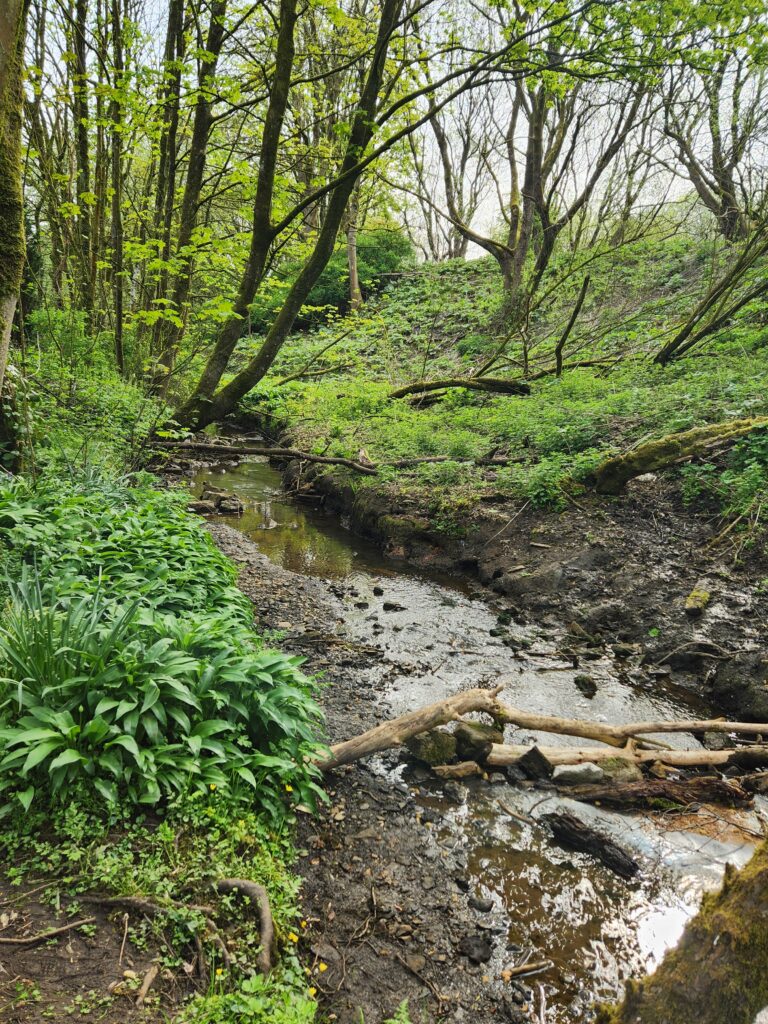
The health of our local waterways is influenced by the smallest of streams. Nunsbrook, as it threads its way through the site of the old town tip, represents a vital link in a much larger ecological chain. While it may seem like a minor tributary, its journey into the River Wye makes its restoration a matter of regional significance. It is deeply disturbing that the status of the River Wye is unfavourable and declining, with significant levels of pollution entering in the upper catchment around Buxton and Tideswell.
The Ripple Effect
Cleaning up Nunsbrook is about more than just aesthetics or removing the legacy of the old tip; it is about water chemistry and connectivity. When we stop pollution such as heavy metals, nutrients and microplastics from entering smaller tributaries, we ensure that the “heart” of the catchment—the Wye—remains oxygenated and life-sustaining.
A Sanctuary for Hidden Residents
The Wye catchment has its share of beautiful apex predators—those sleek, elusive masters of the riverbank that require vast territories and low pollution levels to thrive. These indicators of a healthy ecosystem don’t just stick to the main river; they rely on tributaries like Nunsbrook as “highways” for expansion and hunting grounds for a diverse, seasonally changing diet.
By rehabilitating the brook, we aren’t just cleaning a channel; we are creating sustainable hunting grounds with a wide range of invertebrates and small fish.
Just as important it establishes safe corridors allowing mammals to move through the landscape. And of course it will increase biodiversity, supporting everything from bullheads and brown trout, already breeding in the Hogshaw brook, and even potentially water voles.
Restoration
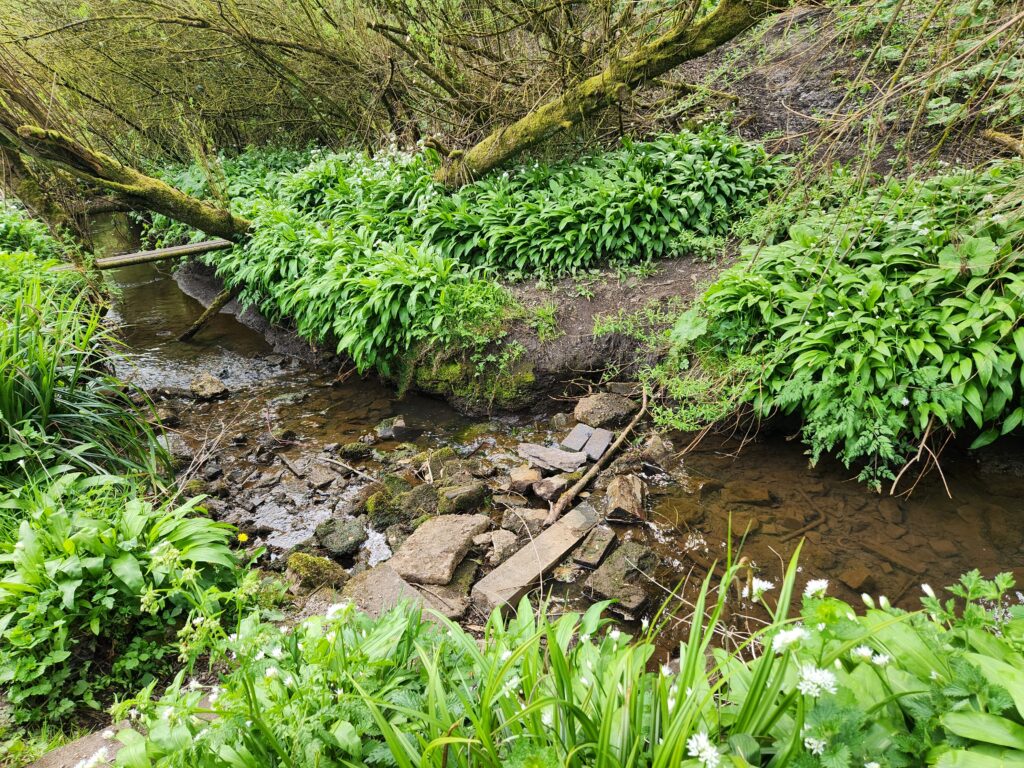
The arguments for restoring Nunsbrook are sound, but the route to action is more complicated. The old town tip is not registered as contaminated land, the government’s preferred remediation being through the planning system with developers paying the costs of cleanup. Persuading HPBC council that the land cannot be developed and restoration is essential involves recommending achievable methods – stabilising brook banks with native flora, creating leaky dams, using willow stakes to weave barriers along eroding banks, and introducing native reeds known to absorb specific pollutants.
A Legacy for the Future
Transforming Nunsbrook from a forgotten drainage point back into a living ecosystem turns a historical liability into a natural asset. A clean, vibrant Nunsbrook serves as a nursery for fish and a pantry for the Wye’s most iconic inhabitants, ensuring that the wild spirit of our valley continues to flow, undisturbed and protected.
By Simon Fussell and Lindsey Hambleton